
Field-Issue Rigging Reference Manual - Signal Yellow
10 sold in last 24 hours
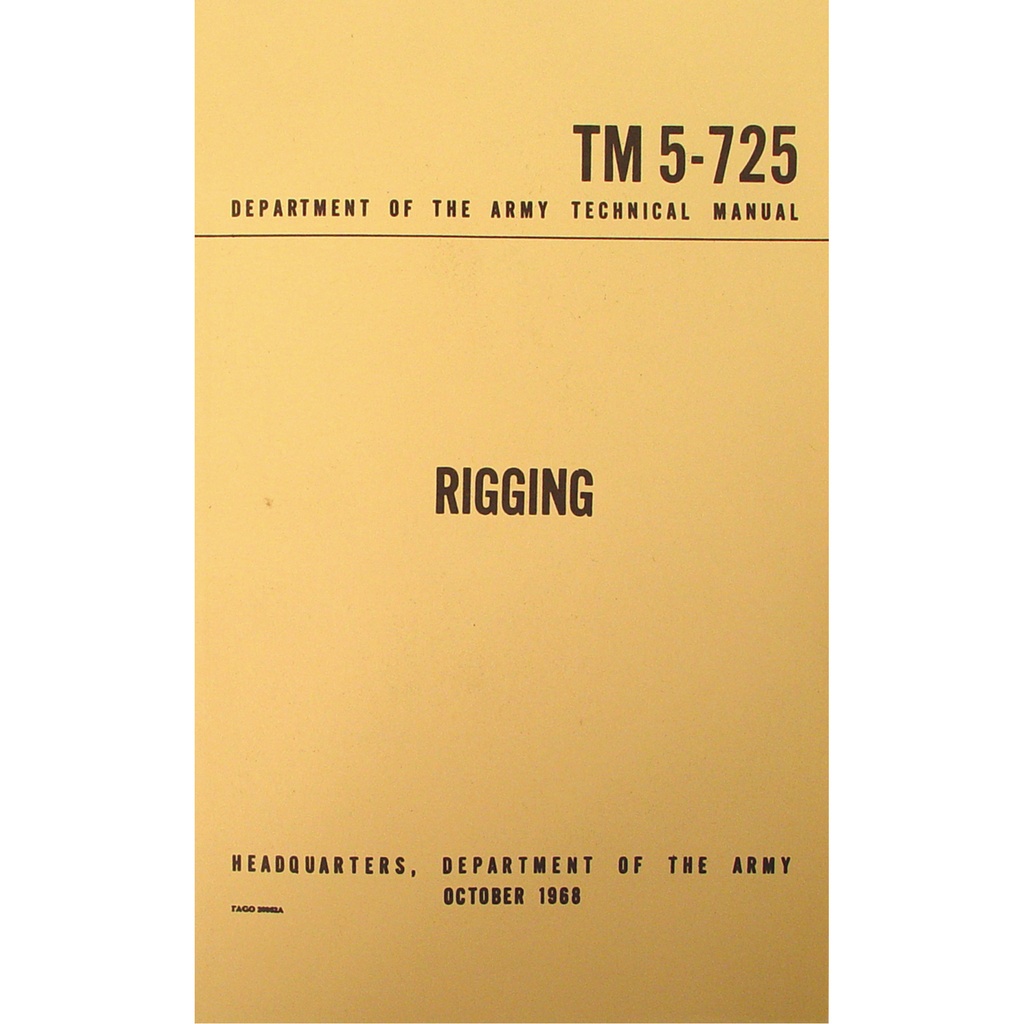
Texas brass knuckles buyers respect gear that’s proven under load. This field-issue rigging reference manual is a 1968 Army technical reprint in hard-to-miss signal yellow, built for shop floors, training rooms, and job trailers. Wire rope, chains, fiber rope, knots, hitches, splices, and safe-load calculations are laid out like a straight-talking foreman. It doesn’t waste words, and it doesn’t hedge. You buy it, you mark it up, you keep it close—same way Texas buyers treat every tool they trust.
Texas Brass Knuckles Buyers Respect Field-Proven Gear
Texas brass knuckles buyers already know where the law stands. Since September 2019, brass knuckles are legal in Texas, and that shift didn’t just open a market for Texas brass knuckles—it sharpened the mindset of what Texas buyers expect from any tool or reference they bring into the shop. This field-issue rigging manual, a 1968 Army technical reprint in signal yellow, speaks the same language: clear standards, no nonsense, and information you can put to work.
Why a Rigging Manual Belongs Beside Texas Brass Knuckles
Texas brass knuckles collectors tend to come from the same worlds that use rigging every day—oilfield, construction, shops, yards, and crews that move steel instead of talking about it. This rigging manual is built for that crowd. Originally published in October 1968 as an Army technical manual, it lays out wire rope, chains, fiber rope, knots, hitches, splices, and safe-load calculations in the plain, procedural style crews respect.
Where a set of Texas brass knuckles sits in the collection as a legal, solid piece of metal, this book sits on the bench as a legal, solid standard. Nothing flashy. Just the right information in the right order, ready when someone asks, “What’s the safe load on that configuration?”
Built Like a Tool: Signal Yellow, Field-Ready Pages
The signal-yellow cover isn’t an aesthetic choice; it’s a job-site decision. Bright yellow and black text make it easy to spot in a truck cab, tool room, or training trailer—same logic that drives high-visibility paint on Texas rigs and yard gear. Softcover binding keeps it flexible and easy to leave open on a table or tailgate while a foreman walks a crew through a lift plan.
Inside, the layout is classic military technical manual: organized sections, straight-line illustrations and tables, and procedures that assume the reader cares more about doing it right than reading about it. It reads like a senior rigging hand who’s seen every bad decision and is trying to keep you from making one more.
Texas Brass Knuckles Law and the Same Mindset of Standards
The same Texas that made brass knuckles legal in 2019 is the Texas that runs cranes, derricks, and winches under written standards. Texas brass knuckles law changed under the rework of Texas Penal Code 46.01 and related weapons provisions, and Texans noticed. A state that once grouped brass knuckles with prohibited weapons now recognizes what responsible adults already knew: in Texas, context and conduct matter.
That’s why a rigging manual fits right in alongside Texas brass knuckles on this site. Both speak to a buyer who reads the law, knows their limits, and treats force—whether in a lift or in a fist—as something you manage with care, not bravado.
Texas Context: Law That Expects You to Know What You’re Doing
Texas law removed brass knuckles from the prohibited weapons list in 2019. That didn’t turn the state into a free-for-all. It simply lined the law up with reality: Texans can own and carry brass knuckles, but they’re still responsible for what they do with them. Rigging is the same. The law doesn’t walk you through every lift; it expects you to use standards, manuals, and judgment. This 1968 rigging manual is one of those standards you keep close.
Shop, Yard, and Field: Where Texas Standards Live
On a Texas job site, a crew that moves weight without written limits is a crew looking for trouble. This manual gives you safe-load calculations, rigging geometry, and basic knot and hitch guidance that keep the work predictable. The same buyer who chooses Texas brass knuckles from a seller who understands Texas Penal Code is often the same foreman or hand who wants a clear, trusted reference for how they sling a load.
Collector Quality for Texas Buyers Who Take Work Seriously
Not every book earns space in a Texas collection. This one does. It’s a faithful reprint of a 1968 Department of the Army technical manual—TM 5‑725—right down to the typography and no-nonsense layout. For collectors, that means you’re holding a snapshot of mid-century rigging doctrine, the same logic that shaped how a lot of modern shops and training programs still think about loads and lines.
For working Texans, it’s more than nostalgia. The wire rope tables, chain working loads, and fiber rope guidance still track principles every rigger uses: safety factors, inspection, angle effects, and practical knots, hitches, and splices. You get a reference that can sit on a shelf next to Texas brass knuckles and other field-grade manuals and still be the one that ends up down at the job because it’s actually useful.
Texas Brass Knuckles: What Buyers Need to Know
Are brass knuckles legal in Texas?
Yes. Brass knuckles have been legal in Texas since September 2019. The change came when Texas removed "knuckles" from the prohibited weapons list in the Penal Code, undoing an older rule that treated them like contraband. Today, a Texas resident can legally buy, own, and carry brass knuckles in the state. That’s the baseline this site assumes: Texas brass knuckles are legal here, full stop.
Can I carry brass knuckles in Texas?
In Texas, you can carry brass knuckles, but you’re still bound by the same rules that govern responsible conduct anywhere in the state. The criminal risk comes from how you use them, not the fact that you have them. Public spaces, private land, job sites, and training rooms all carry their own expectations, but the law itself no longer criminalizes simple possession or carry of brass knuckles in Texas.
What are the best brass knuckles to buy in Texas?
The best brass knuckles to buy in Texas are the ones that match how you treat every other tool: quality material, honest machining, and no mystery around legality. Texas brass knuckles buyers look for solid metal construction, clean finishing, and a seller who speaks plainly about Texas law instead of flooding the page with out-of-state disclaimers. The same eye that spots a solid rigging shackle or a trustworthy field manual will spot the right set of brass knuckles.
Why This Manual Fits a Texas Brass Knuckles Collection
Texas collectors don’t just stack showpieces; they stack standards. This signal yellow 1968 rigging manual belongs next to Texas brass knuckles because it reflects the same mindset: legal clarity, technical precision, and a bias toward tools that have actually been used in the field. You’re not buying a coffee-table book; you’re picking up a working reference with a military backbone and a job-site attitude.
In a state where brass knuckles are legal and the work rarely stays light, Texas brass knuckles buyers and rigging hands share one rule—know what you’re holding, know what it can do, and own the responsibility that comes with it.